SIGNAL 001 · JULY 2026
The Work Beneath the Work
Every visible piece of creative work rests on an invisible layer of decisions, systems, and care.
WORDS + PHOTOGRAPHS BY TRISHA LYNCH

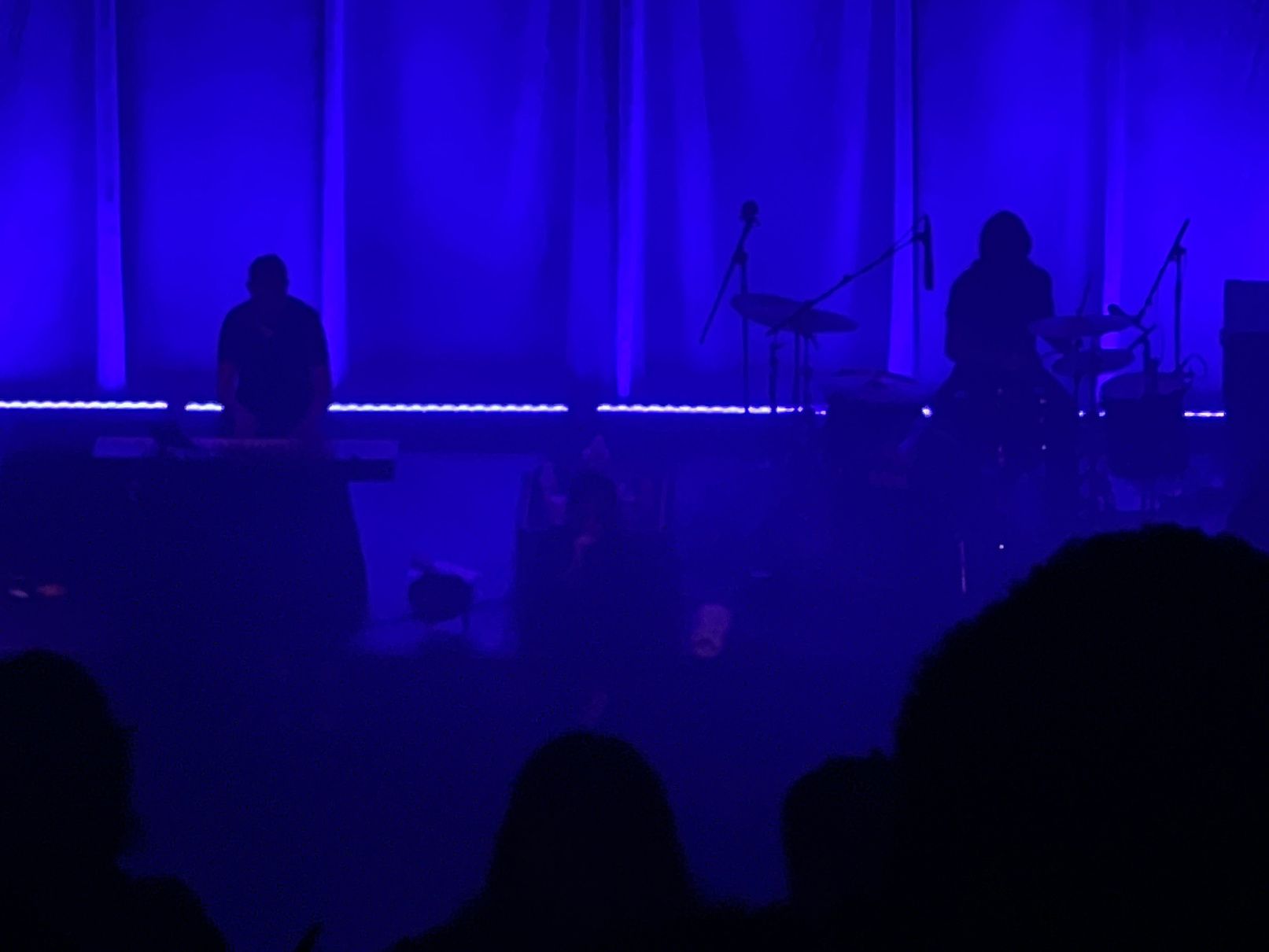
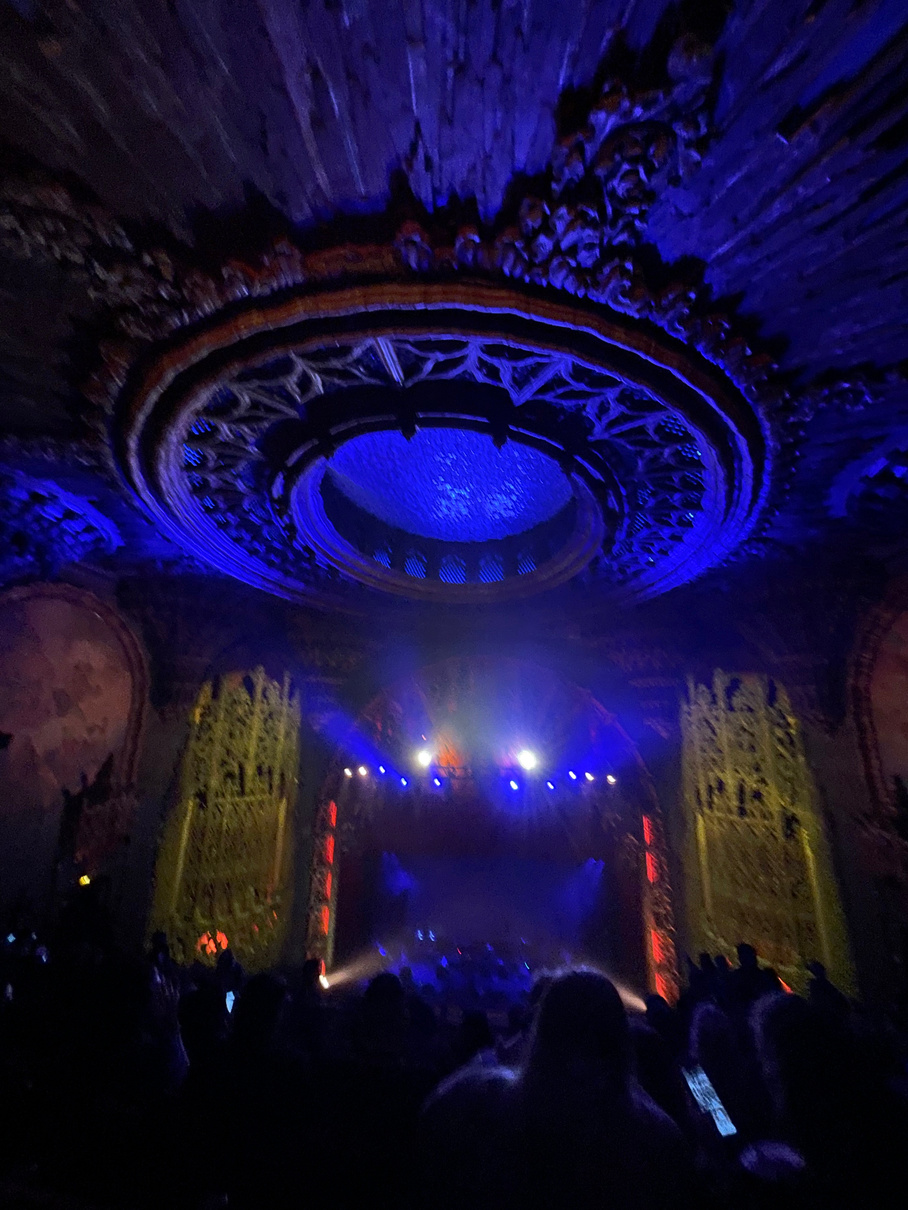
There is a moment before a show begins when the room is all preparation and no spectacle.
The lights are up just enough for people to see what they are doing. Someone checks a cable. Someone moves a piece of equipment six inches to the left. A problem is discovered, discussed, and quietly solved. By the time the audience arrives, most of that work will have disappeared.
That is the point.
If everything goes well, no one in the crowd will know what almost went wrong. They will experience the music, the lights, the feeling of being part of something larger. They will see the performance—not the hundreds of small decisions that made it possible.
I have always been drawn to that part.
Not because the visible work is unimportant. Because I am fascinated by what makes the visible possible.
The strange success of disappearing
Long before I had language like operations, workflow, or systems thinking, I noticed the spaces between things.
I noticed when information lived with one person instead of the team. When two people believed they had agreed but had actually heard different things. When a process worked only because someone was quietly remembering every step. When talented people were spending more energy navigating the machinery around their work than doing the work itself.
I became good at stepping into those spaces.
People would bring me confusion and leave with a plan. I could see the order inside a mess—not because the mess was simple, but because I had learned where to look.
For years, that ability became my work. I built structures around high-stakes creative projects. I translated between teams that spoke different professional languages. I anticipated what might break, clarified what needed to happen next, and made it easier for other people to do what they did best.
When it worked, the machinery became almost invisible.
For a long time, I considered that a sign of success.
When invisible work makes people invisible
There is a difference between doing work that disappears and becoming invisible inside it.
That distinction matters to me now.
When you are consistently the person who catches what others miss, people begin to experience the outcome without seeing the thought behind it. Your judgment becomes part of the environment. Your capacity is treated like infrastructure: dependable, available, and somehow self-sustaining.
The calmer you make the room, the easier it is for others to believe the room was never chaotic.
This is not unique to one company, industry, or job. It happens anywhere invisible labor is mistaken for effortless labor. It happens to operators, coordinators, assistants, producers, caregivers, and the unofficial right-hand people who hold more context than their titles will ever reveal.
Being good at supporting other people can be meaningful. It can also become a way of disappearing.
I no longer want to confuse the two.
Systems are never neutral
A system tells you what its builders value.
What does it remember? What does it forget? Who receives clarity? Who is expected to create that clarity for everyone else? What happens when information is missing—and who absorbs the consequences?
Even the smallest workflow contains an opinion about whose time matters.
A good system does not simply make work faster. It makes knowledge easier to share. It reduces the number of things one person must carry alone. It gives people enough context to make thoughtful decisions without turning every decision into a meeting.
It creates room.
This is why I think of clarity as a form of care.
The answer is not always more technology. Sometimes another tool is just another place for information to disappear. Sometimes the most useful intervention is a better question, a clearer agreement, or a document that tells the truth about how the work actually happens.
The goal is not to automate every human judgment out of existence.
The goal is to stop wasting human judgment on preventable confusion.
Building what I needed
I arrived at RoboXT Studios after a season that forced me to look carefully at what I wanted to carry forward.
I knew I did not want to recreate the life I had left. But I also knew the most useful parts of me did not belong to any former employer. My ability to notice, untangle, connect, and build was still mine.
So I started asking a different question:
What would I make if the goal were not to prove that I could carry more, but to help people carry less?
Some answers have become tools. Others have become photographs, essays, conversations, and unfinished experiments. Some may never become anything with a marketable name.
That is allowed here.
RoboXT Studios is not meant to be a monument to finished work. It is a place to document what I am noticing while the ideas are still moving. A field journal for systems, creative work, technology, music, and the strange connections between them.
A place where questions can remain questions long enough to become useful.
Making the backstage visible
I still love the work behind the work.
I love the moment when a complicated situation becomes understandable. When someone who arrived overwhelmed can finally see where to begin. When a system stops demanding attention and starts quietly supporting the people inside it.
I still believe some of the best work should feel effortless to the person experiencing it.
I just no longer believe the people making it possible should have to disappear.
That is the signal I am following now.